Winter Car Care Essentials: Safety Tips & Prep Checklist
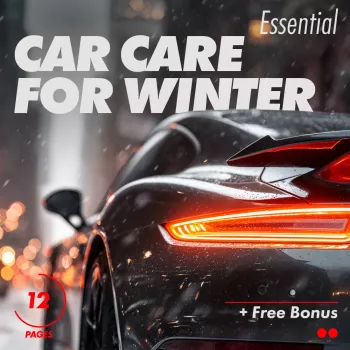
Essential Car Care for Winter: Smart Maintenance, Safety Tips, and a Prep Checklist for Cold Climates
Winter conditions test every part of a vehicle—from the battery and tires to visibility systems and fluids. A focused cold-weather routine reduces breakdown risk, improves traction and braking, and helps keep occupants safe when temperatures drop and roads turn unpredictable. For additional guidance on winter road safety, consult NHTSA winter driving tips and AAA winter driving tips.
Winter readiness in 20 minutes: a quick pre-trip scan
Before a commute or a longer drive, a fast scan can catch the small issues that become big problems in freezing weather.
- Check tire pressure when tires are cold; pressure drops as temperatures fall.
- Confirm headlights, brake lights, and turn signals work; clean lenses for maximum output.
- Test wipers and washer spray pattern; top off winter washer fluid rated for freezing temps.
- Listen for slow cranking at startup and note dim interior lights—common early battery warnings.
- Verify heat and defrost performance before a storm, not during one.
If you prefer a step-by-step format you can repeat all season, the Essential Car Care for Winter – Complete Winter Car Care for Cold Climates Guide | Smart Maintenance, Safety Tips & AI-Powered Prep Checklist is designed to turn these checks into a consistent routine.
Battery and charging system: the most common cold-weather failure point
Cold reduces available cranking power while winter accessories increase electrical demand. That combination makes the battery a frequent trouble spot.
- Have the battery load-tested if it is 3+ years old or shows slow starts; cold reduces available cranking power.
- Inspect terminals for corrosion and ensure clamps are tight; poor connections mimic a weak battery.
- Check alternator output if the battery repeatedly goes low; winter accessories increase electrical demand.
- Park in a garage when possible and avoid short trips that do not recharge the battery fully.
Tires and traction: grip comes before horsepower
Winter control is mostly about tire condition and tire compound. Even a capable AWD vehicle can struggle on worn tires or rubber that has hardened in deep cold.
- Measure tread depth; replace tires that are worn or unevenly worn to preserve snow and wet traction.
- Consider dedicated winter tires for frequent snow/ice driving; all-season tires can harden in deep cold.
- Keep a quality tire gauge and portable inflator; re-check pressure after major temperature swings.
- Know local chain requirements and practice installing chains/cables at home.
Cold-weather traction checklist by condition
| Road condition | Best tire approach | Extra gear to carry | Driving reminder |
|---|---|---|---|
| Dry, below freezing | All-season in good condition or winter tires | Tire gauge, inflator | Increase following distance; rubber is stiffer in cold |
| Packed snow | Winter tires | Snow brush, traction aids | Smooth inputs; avoid sudden braking |
| Ice / freezing rain | Winter tires (studded where legal) | Chains/cables (where allowed), shovel | Brake early; steer gently; avoid cruise control |
| Slush / wet snow | Tires with strong wet traction and good tread | Washer fluid, spare wipers | Watch for hydroplaning; keep speeds moderate |
Fluids that matter in freezing temperatures
Cold weather thickens some fluids and stresses seals, hoses, and reservoirs. A few small checks help prevent no-start mornings and overheating surprises.
- Engine oil: use the viscosity grade recommended in the owner’s manual for winter; cold oil flows slower.
- Coolant/antifreeze: verify the freeze/boil protection mix; inspect for leaks and cracked hoses.
- Windshield washer fluid: use a winter formula rated well below 32°F (0°C); avoid plain water.
- Brake fluid: if it is old or contaminated, moisture can reduce performance; follow service intervals.
- Fuel: keep the tank at least half full during storms to reduce condensation and ensure range if delayed.
Visibility: wipers, defrost, lights, and mirrors
In winter, visibility is safety. Snow glare, road spray, salt film, and fast fogging can cut reaction time dramatically.
- Replace wiper blades that streak; winter blades can resist ice buildup.
- Clear snow from the entire vehicle roof and hood to prevent blow-off and blocked visibility.
- Confirm defroster fan speeds and air direction work; a weak cabin filter can slow defogging.
- Clean camera and sensor areas if equipped (backup camera, lane sensors); road salt quickly obscures them.
- Carry an ice scraper and snow brush sized for the windshield and side windows.
Brakes, suspension, and undercarriage: winter wear and corrosion control
Emergency kit and supplies for cold-climate travel
If winter driving includes pets on board, a trip-specific planning resource like Stress-Free Pet Adventures – A Complete Pet Travel Guide for Calm, Happy Trips | Digital Download eBook for Dogs & Cats can help organize comfort stops, safe restraint habits, and cold-weather essentials for longer routes.
Driving habits that reduce risk on winter roads
A smarter prep routine: turning checks into a repeatable checklist
For drivers who want an organized, printable/digital workflow, the Essential Car Care for Winter – Complete Winter Car Care for Cold Climates Guide also pairs well with general trip planning, such as managing fatigue and meal timing during long drives with The Midday Energy Crash Mystery – Post-Meal Fatigue Guide, Digestion & Energy Balance eBook, Smart Eating Digital Download.
When to schedule professional service
FAQ
How often should tire pressure be checked in winter?
Check at least weekly and anytime temperatures swing sharply. Always measure when tires are cold and adjust to the door-jamb specification, not the tire sidewall maximum.
Is it safe to warm up a car for a long time in cold weather?
Modern engines typically need only a short warm-up before driving gently. Long idling wastes fuel and can be unsafe if snow blocks the tailpipe, so clear snow/ice first and ensure proper ventilation.
What should be in a winter emergency kit for long drives?
Bring warmth items, visibility tools, traction and recovery basics, food and water, charging options, and jump-start capability. Adjust the kit based on your route, cell coverage, and how severe local weather can get.











Leave a comment