15 Bar Espresso Machine + Steam Wand: Home Latte Guide
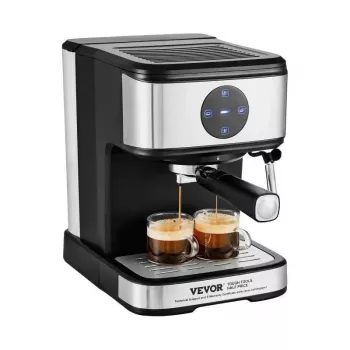
15 Bar Espresso Machine with Milk Frother Steam Wand: Café-Style Shots and Silky Milk at Home
A 15 bar espresso machine with a milk-frother steam wand is built for one goal: delivering bold espresso paired with properly textured milk for lattes, cappuccinos, and flat whites. This guide breaks down what a 15-bar rating really means in day-to-day use, why a steam wand is the difference between “foamy” and truly silky, what features matter when you’re making drinks back-to-back, and how to get repeatable results without overcomplicating your routine.
What “15 Bar” Means for Espresso
A 15-bar pressure rating describes what the pump can deliver under certain conditions. It’s a useful baseline, but it doesn’t automatically guarantee great espresso—your dose, grind, tamp, and temperature stability still do most of the flavor work.
- Chase flow and time, not the number. A classic double often lands around 25–30 seconds. If your shot is fast and pale, it’s usually too coarse or under-dosed; if it drips and stalls, it’s usually too fine or over-dosed.
- Crema isn’t sweetness. Fresh coffee and an even grind help crema look better, but sweetness and balance come from a stable extraction, not “more pressure.”
- Adjust one variable at a time. If shots gush quickly, tighten the grind or increase dose slightly. If shots choke, coarsen the grind a touch or reduce dose/tamp pressure.
- Preheating improves consistency. Warming the portafilter and cup helps reduce temperature drop and can improve mouthfeel.
Quick Troubleshooting for Shots and Milk
| Issue | Likely cause | Fast fix |
|---|---|---|
| Espresso tastes sour and thin | Under-extraction (grind too coarse, short brew time, low dose) | Grind finer, increase dose slightly, aim for longer extraction |
| Espresso tastes bitter and harsh | Over-extraction (grind too fine, long brew time, too much dose) | Grind coarser, reduce dose slightly, shorten extraction |
| Channeling (sprays, uneven flow) | Uneven puck prep or inconsistent tamp | Distribute grounds evenly, tamp level, consider a puck screen if compatible |
| Milk is bubbly with large foam | Wand tip too high; too much air introduced | Keep tip just below surface only briefly, then submerge to texture |
| Milk is flat and watery | Not enough stretching or milk too cold/hot at the wrong stage | Stretch for the first few seconds, then texture; stop at ~55–65°C (130–150°F) |
Why a Steam Wand Changes Everything
A steam wand is what turns milk from “heated” into microfoam: fine, glossy foam that blends with espresso rather than floating on top as stiff bubbles. It’s the core of café-style texture and the main reason homemade lattes can suddenly taste smoother and sweeter.
- Microfoam improves flavor, not just looks. Properly textured milk can enhance perceived sweetness and soften sharper edges in espresso.
- Steaming has two phases. “Stretching” introduces a little air; “texturing” creates a rolling vortex that breaks bubbles down into a silky sheen.
- Temperature is a make-or-break detail. Too cool tastes thin; too hot tastes cooked. Many home baristas use a thermometer until timing becomes second nature.
- Plant milks can work. Barista blends generally texture best, but they prefer gentler stretching and careful heat to avoid separation.
For deeper learning and professional definitions around espresso and milk-based beverages, the Specialty Coffee Association (SCA) is a solid reference point.
Bar Setup Basics for Consistent Drinks
Consistency comes from a simple, repeatable setup. When your workflow stays the same, adjusting flavor becomes easier and faster.
- Use a capable grinder. Espresso needs fine, repeatable grind adjustments. Inconsistent grind size is one of the fastest ways to get inconsistent flavor.
- Weigh dose in and espresso out. A small scale makes it easier to repeat a shot that tasted great—and diagnose one that didn’t.
- Mind your water. Very hard water can dull flavor and accelerate scaling. Follow the machine’s descaling guidance for your area and usage.
- Keep accessories minimal. A properly fitting tamper, a small microfiber cloth for the wand, and a pitcher sized to your drink volume go a long way.
- Stick to a quick routine. Preheat → grind → distribute → tamp → brew → purge wand → steam → wipe/purge wand again → pour.
How to Steam Milk with a Milk Frother Steam Wand (Step-by-Step)
- Start cold and don’t overfill. Fill a cold metal pitcher to just below the point where the spout begins. Too much milk reduces whirlpool action and makes texture harder.
- Purge first. Briefly purge the wand to clear condensation before placing it in the milk.
- Stretch for 2–5 seconds. Place the tip near the surface. Listen for a gentle “paper-tearing” sound—this introduces a small amount of air.
- Texture with a whirlpool. Lower the tip slightly to create a rolling motion. This breaks down bubbles and turns the milk glossy.
- Stop at the sweet spot. Aim for about 55–65°C (130–150°F). Without a thermometer, stop when the pitcher is too hot to hold for more than a second.
- Tap, swirl, and pour right away. Tap the pitcher lightly to pop surface bubbles and swirl to keep the foam integrated, then pour immediately to prevent separation.
For general temperature-safety background, the U.S. Food Safety and Inspection Service publishes widely used guidance.
Featured Option: 15 Bar Espresso Machine with Milk Frother Steam Wand
15 Bar Espresso Machine with Milk Frother Steam Wand
At-a-Glance
| Product | Price | Availability |
|---|---|---|
| 15 Bar Espresso Machine with Milk Frother Steam Wand | 583.17 USD | In stock |
Extra Pick for Everyday Energy Habits
Cleaning and Care That Keeps Flavor Fresh
FAQ
Which espresso machine has a good steam wand?
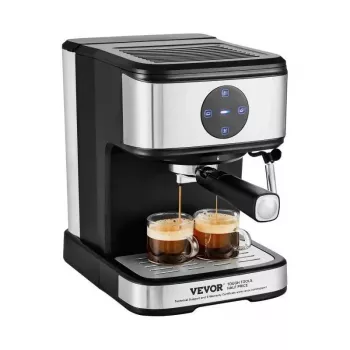
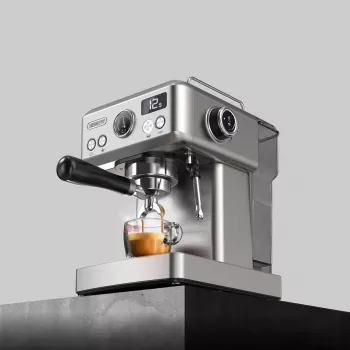
A good steam wand produces steady steam, is easy to position in the pitcher, and can be purged and wiped clean quickly. The featured 15 bar espresso machine includes a milk-frother steam wand intended for manual texturing.









Leave a comment