Local Backlinks That Work: Partnerships, PR, and Fast Wins
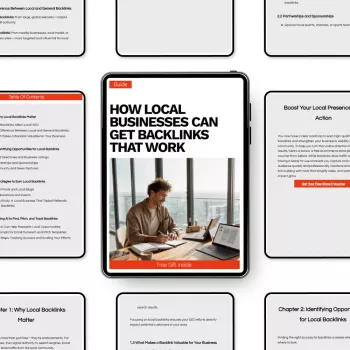
How Local Businesses Can Get Backlinks That Work – A Practical Guide for Growth, Visibility, and Authority
Backlinks that actually move the needle for a local business tend to come from real-world relationships: community partners, local organizations, and trusted publications. The goal is simple—earn mentions and links that reflect genuine local relevance, not random directory noise. Below are clear, repeatable plays that fit a busy schedule and build long-term authority.
What Makes a Backlink Valuable for a Local Business
The strongest local links share a few common traits: they make sense to a nearby customer, they’re earned in a real editorial context, and they have a chance to send actual visitors—not just “link equity.” A steady pace of quality mentions also looks natural and supports durable growth.
Local backlink quality checklist
| Signal | What to look for | Quick test |
|---|---|---|
| Local connection | City/region focus, local audience | Does the site cover your town or nearby neighborhoods? |
| Editorial placement | Mention inside content, not just a list | Is there a paragraph explaining why you’re included? |
| Business fit | Same community, complementary service, shared customers | Would you recommend this site to a customer? |
| Discoverability | Pages that get viewed (events, guides, resources) | Is the page linked from navigation or recent posts? |
| Clean reputation | No spammy outbound link patterns | Do pages look curated or stuffed with unrelated links? |
Set Up Your “Link-Worthy” Assets Before Outreach
Outreach is easier when there’s a clear, helpful page to link to. Before asking anyone for a mention, tighten up the on-site basics so that the click has a good chance of turning into a call, booking, or store visit.
- Create one strong destination page (service page or location page) with a clear description, service area, hours, and contact options.
- Add proof points that reduce bounce: photos, certifications, reviews, brief case examples, and a short FAQ.
- Make partnerships easy with a media/press section: 1–2 sentence description, logo, and a direct email.
- Prepare 2–3 community angles you can offer quickly: seasonal tips, a local checklist, a neighborhood guide, or a small scholarship/grant.
- Keep your business name, address, and phone consistent across your site and major profiles so mentions match reality.
For a ready-to-follow framework you can keep on hand, consider the downloadable guide: How Local Businesses Can Get Backlinks That Work – A Practical Local SEO Guide for Growth, Visibility, and Authority.
Fast Wins: Local Links You Can Earn in 1–2 Weeks
Quick wins are about asking the people and organizations that already know you. These are typically low-friction and don’t require a “big campaign.”
- Chambers and business associations: join and request a member profile link to your site.
- Supplier and partner pages: ask vendors and service partners for “Where to Buy,” “Partners,” or “Clients” listings.
- Testimonials: write a short testimonial for a local vendor; many will publish it with your name and website.
- Community calendars: submit events, workshops, open houses, or promotions (always include your website field).
- Sponsorship pages: sponsor a youth team or charity event and ask for a sponsor listing that includes a link.
Community Partnerships That Produce the Strongest Links
The best local links usually come as a byproduct of doing something useful in the community—then getting credited on the web page that documents it.
- Co-host a local event: a complementary partner (gym + nutritionist, realtor + stager, florist + planner) can list it on both sites and local calendars.
- Create a “local resource” collaboration: publish a short guide and invite a few local experts for quotes; contributors often share and link back.
- Support schools and nonprofits: scholarships, internships, in-kind donations, and volunteer initiatives commonly get recognition pages.
- Join local professional groups: BIDs, rotary clubs, neighborhood associations, and meetups often list members and sponsors.
- Work with local creators: sponsor a neighborhood newsletter or podcast episode and request a link in the show notes or sponsor section.
Digital PR for Local Businesses (Without Big Budgets)
Local publicity doesn’t require a large spend; it requires a small, clear story and quick responsiveness. Being easy to work with is often the differentiator.
- Pitch small, useful updates: expanded hours, a new service for a specific neighborhood, a community initiative, or timely maintenance reminders.
- Use data you already have: anonymized trends (seasonal spikes, common questions, top-requested services) can become a tight press note.
- Respond quickly to journalists and bloggers: a fast quote is more likely to be used than a perfect quote delivered late.
- Create an expert comment page: list 3–5 topics you can speak on, a short bio, and a direct contact email.
- Build relationships: consistent, helpful communication beats one-off blasts.
For guidance on staying within best practices, review Google’s policy on manipulative linking: Google Search Central: Link schemes.
Outreach That Gets Replies (Templates and Timing)
Local outreach works best when it’s personal, short, and easy to approve. Aim for one request, one link, and one reason it benefits their audience.
A simple outreach structure
Avoid These Link Tactics That Often Backfire
Measure What’s Working and Scale the Winners
To keep local presence details tight while earning more mentions, it also helps to maintain your profile basics: Google Business Profile Help.
A Practical Playbook to Follow Step by Step
If your schedule is packed, pairing outreach blocks with better daily energy management can make consistency easier to maintain. A quick-read option: The Midday Energy Crash Mystery – Post-Meal Fatigue Guide, Digestion & Energy Balance eBook, Smart Eating Digital Download.
FAQ
How to get local backlinks?
Start with real local relationships: chambers and associations, partners and suppliers, sponsorships, community calendars, and co-hosted events. Keep outreach short, include a ready-to-paste description, and always point to a strong page that clearly shows what you do and where you serve.









Leave a comment