Zen Bath Checklist: Calm Kids Bath Routine for Bedtime
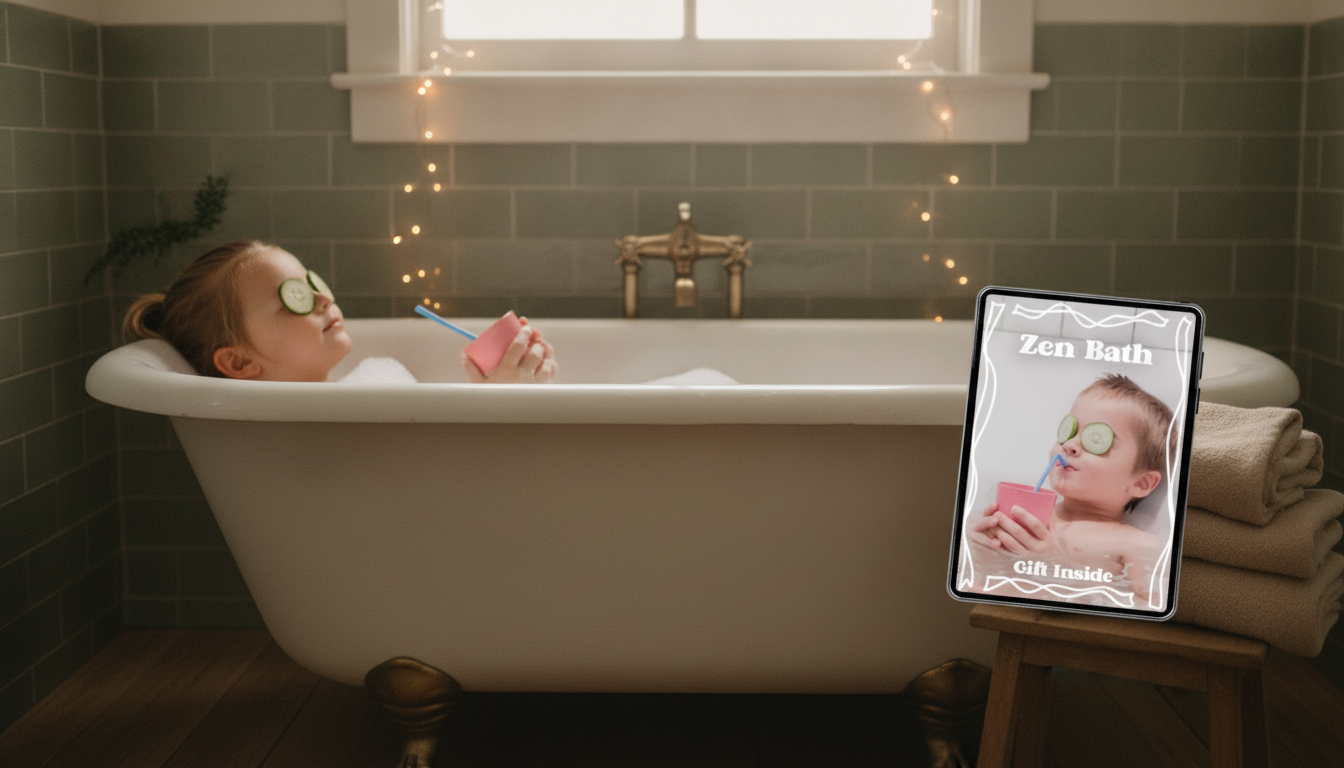
Zen Bath: A Calming Bath Time Checklist for Peaceful Bedtime Routines
Bath time can be more than getting clean—it can become a predictable, soothing bridge into sleep. A simple checklist helps reduce negotiation, keeps the pace slow, and builds comforting cues that signal “bedtime is coming.” Below is a practical, kid-friendly routine that supports calmer evenings, with flexible options for different ages, temperaments, and household schedules.
Why a bath-time checklist helps kids settle
- Creates predictability: the same steps in the same order reduce surprises and power struggles.
- Supports smooth transitions: kids often resist stopping play; a routine provides clear “next steps” without repeated reminders.
- Builds calming cues: warm water, dimmer lights, and quiet activities can become reliable signals that it’s time to wind down.
- Reduces parent decision-fatigue: a fixed plan prevents last-minute scrambling for towels, pajamas, and toothbrushes.
- Encourages independence: simple steps kids can “own” (choose pajamas, put toys away) promote cooperation.
For a deeper foundation on sleep habits, the Sleep Foundation has practical guidance on routines and sleep hygiene, and HealthyChildren.org (American Academy of Pediatrics) offers parent-friendly bedtime tips that align well with checklist-based wind-downs.
Set the scene before the water runs
- Warm the room and prep supplies: towel, washcloth, gentle cleanser, pajamas, pull-up/underwear, toothbrush and paste, brush/comb.
- Lower stimulation: dim lights, reduce loud TV/music, and put phones on silent to keep the environment calm.
- Offer a simple choice to increase cooperation: “bubbles or no bubbles,” “two bath toys or three,” or “blue towel or green towel.”
- Use a visual timer for predictable endings: 5–10 minutes for toddlers; 10–15 for preschool/early elementary.
- Keep safety first: test water temperature, never leave a child unattended, and keep floors dry to prevent slips.
For water and home safety reminders, the Centers for Disease Control and Prevention maintains up-to-date child safety resources worth reviewing and sharing with all caregivers.
Zen Bath checklist: step-by-step calming bath routine
- 1) Arrival cue (30–60 seconds): a consistent phrase or short song that starts bath time.
- 2) Quick body reset (1 minute): deep belly breaths together, shoulder rolls, or “smell the flower, blow the candle.”
- 3) Warm soak (2–5 minutes): quiet play only—cups, pouring, foam letters; avoid high-energy splashing games close to bedtime.
- 4) Wash sequence (2–4 minutes): same order each night (hair → face → body) so kids know what’s coming.
- 5) Rinse and wrap (1 minute): warm towel wrap and gentle pressure hug (if welcomed) to signal the shift out of the tub.
- 6) Lotion or massage (1–2 minutes): slow, even strokes on arms/legs; keep it brief and predictable.
- 7) Pajamas and bathroom step (2–4 minutes): potty, pull-up/underwear, pajamas—then transition directly to teeth.
- 8) Teeth and face (2–3 minutes): use a short song; keep lighting soft and conversation low-key.
- 9) Quiet connection (3–8 minutes): one short book, a cuddle, or a “3 good things” chat—avoid stimulating questions or screens.
- 10) Goodnight cue (30 seconds): same closing phrase and a consistent exit routine (door, light, white noise if used).
Sample calming bath timeline (adjust to age and bedtime)
| Routine step | Toddler pace | Preschool/early elementary pace | Calming cue |
|---|---|---|---|
| Prep + choice | 2–3 min | 3–5 min | Two simple choices, dim lights |
| Soak + quiet play | 3–5 min | 5–7 min | Pouring cups, slow voice |
| Wash + rinse | 2–3 min | 3–5 min | Same wash order nightly |
| Wrap + lotion | 2 min | 2–3 min | Warm towel, gentle pressure |
| PJs + teeth | 4–6 min | 5–7 min | Song timer, predictable steps |
| Story + goodnight | 5–8 min | 8–12 min | One book, consistent phrase |
Calming ideas that work when kids are overstimulated
- Switch to “quiet hands” toys: cups, sponges, washcloths, floating boats—avoid wind-up toys and anything competitive.
- Use sensory-limiting cues: dimmer lighting, quieter voice, and fewer words; try brief, clear directions.
- Try a “pressure and warmth” combo: towel wrap + gentle lotion application; many kids relax with steady, predictable touch.
- Add simple rhythm: count rinses slowly to 10, or use a short, repeated bath rhyme.
- If meltdowns spike, shorten the routine rather than adding steps: a 7-minute calm bath beats a 20-minute struggle.
Common bath-time challenges and quick fixes
Make the checklist stick: consistency without rigidity
Zen Bath printable checklist for nightly routines
- Zen Bath – Calming Bath Time Checklist for Kids (digital checklist)
- EMS Eye Massager with LED Photon Therapy and Heating Vibration for Anti-Aging (a quick post-bedtime wind-down option for adults)
FAQ
How long should a calming bath routine take?
Most families land around 15–30 minutes total (bath + pajamas + teeth + one quiet connection). Toddlers often do best with a shorter bath window (about 5–10 minutes), while preschool/early elementary can handle 10–15 minutes; on busy nights, shorten steps instead of changing the order.
Should bubble bath or bath bombs be used at night?
Keep stimulation low at bedtime, since novelty can rev kids up when they’re supposed to wind down. If you use bubbles or bath bombs, choose gentle, fragrance-free options when possible—especially for sensitive skin—and prioritize calm play over excitement.
What if bath time makes a child more energetic instead of sleepy?
That’s often a sign of overstimulation. Try dimmer lights, quieter toys, a shorter bath, or moving bath time earlier, then follow with a consistent post-bath wind-down (lotion, a short book, and no screens).










Leave a comment