Room-by-Room Litter Box Placement That Prevents Accidents

Litter Box Logic for Every Home: Room-by-Room Placement That Fits Real Life
A litter box setup works best when it matches a cat’s need for privacy, safety, and easy access—while still being practical for daily cleaning. The goal is simple: fewer accidents, fewer odor hotspots, and less stress for cats and people, whether you live in a studio apartment, a multi-story home, or share space with multiple cats.
Many placement problems aren’t about “training” at all—they’re about the box feeling risky (too noisy, too exposed, or too easy to block). If you want a deeper, step-by-step planning worksheet you can reuse whenever you move or add a cat, see Litter Box Logic for Every Home – Smart Cat Care Guide with Litter Box Placement Tips, Room-by-Room Strategies & AI-Powered Planning.
Start With the Non‑Negotiables
- Accessibility first: Place boxes where a cat can reach them quickly without having to cross a “gauntlet” of noise, stairs, or other pets.
- Quiet, not isolated: Choose low-traffic areas away from loud appliances, but not so hidden that cats avoid them or you forget to scoop.
- Separation from food and water: When possible, keep litter areas out of the same zone as feeding stations.
- Multiple routes in and out: Avoid dead ends where another pet (or a closing door) can block the exit.
- Consistency matters: Frequent moves can trigger avoidance; if you need to relocate, shift gradually and keep one “known” option available.
Cat welfare groups consistently emphasize that predictability, low stress, and a cat-friendly environment reduce behavior issues—especially when resources like litter boxes are easy to access. For broader cat-friendly home guidance, see the American Association of Feline Practitioners (AAFP).
How Many Boxes and What Size Actually Works
- Baseline rule: One box per cat, plus one extra—then spread them out across the home rather than clustering them together.
- Go bigger than “standard”: Many cats prefer a box at least 1.5× body length (nose to base of tail) so they can turn comfortably and dig without bumping walls.
- Covered vs. uncovered: Some cats like privacy, others hate trapped odors. If you’re troubleshooting accidents or hesitation, offer at least one uncovered box.
- One cat, small home: Two boxes in different zones prevents “queueing” and reduces stress tied to one location.
- Multi-cat home: Skip the idea of a single “litter room.” When all boxes live together, one confident cat can silently control access.
Room-by-Room Placement Playbook
Bathroom
A common choice because it’s easy to wipe down and usually lower-traffic. If your cat startles at noise, don’t place the box right beside the toilet—repeated loud flushing can create a negative association.
Laundry room
Only works if the washer/dryer aren’t frequently running. Sudden vibration and cycles can turn a “fine” spot into a hard no overnight.
Bedroom
Useful for senior cats or cats who need overnight access without rushing down stairs. Add an odor-control routine (daily scooping, sealed waste bin) and a tracking mat to keep litter off bedding and rugs.
Living room
Choose a low-traffic corner and use a visual barrier (like a folding screen or plant stand) so the box isn’t in direct sightlines of busy hallways. Keep it away from speakers and TV bass vibrations if your cat is sensitive.
Hallway
Can work when the hallway is wide and calm. Avoid narrow choke points where people constantly pass and the cat can feel trapped.
Home office
Works when routines are predictable. Avoid placing the box in the “wheel zone” of rolling chairs or under desks where a startled cat may feel cornered.
Basement
Acceptable if access is always open and stairs are easy for your cat. It’s not ideal for kittens, cats with arthritis, or cats who spend most of the day upstairs.
Garage
Room-by-Room “AI-Style” Planning (Simple, Repeatable Steps)
Quick Placement Scorecard (Use for Any Room)
| Factor | What “Good” Looks Like | Red Flags |
|---|---|---|
| Noise level | Away from appliances and slamming doors | Washer cycles, HVAC blasts, frequent toilet flushing |
| Traffic | Low to moderate with predictable routines | Kids’ play zone, narrow hallway bottleneck |
| Escape routes | At least two ways out or open sightlines | Dead-end corner where a cat can be cornered |
| Distance from food/water | Separate zone or different room | Within a few feet of bowls |
| Cleaning access | Easy to scoop daily without moving items | Requires moving clutter; hard-to-reach behind furniture |
Common Placement Mistakes That Cause “Random” Accidents
If accidents continue, rule out medical causes early—urinary discomfort can look like a “behavior issue.” The ASPCA’s cat care resources are a helpful starting point for understanding common litter box problems.
Setups That Work in Specific Home Types
A Practical Tool for Planning and Troubleshooting
When you’re juggling layout constraints, cleaning routines, and multi-pet dynamics, a structured guide can prevent guesswork and constant rearranging. Litter Box Logic for Every Home – Smart Cat Care Guide with Litter Box Placement Tips, Room-by-Room Strategies & AI-Powered Planning helps compare box styles and placements room-by-room and includes an easy way to spot conflict points before they turn into avoidance.
If home changes are coming up (moving, hotel stays, road trips, or temporary pet-sitting), stable routines matter—especially for sensitive cats. Stress-Free Pet Adventures – A Complete Pet Travel Guide for Calm, Happy Trips | Digital Download eBook for Dogs & Cats can support smoother transitions so the litter box routine stays familiar even when everything else changes.
FAQ
Which smart cat litter box is the best?
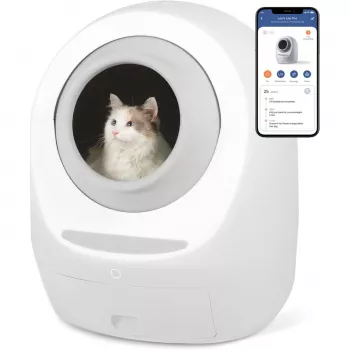
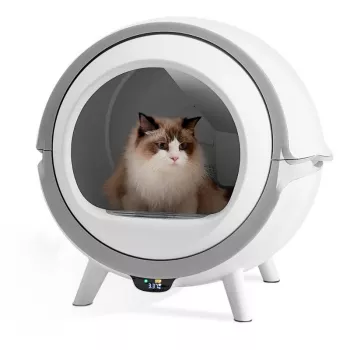
The best choice is the one your cat will reliably use: prioritize a roomy interior, comfortable entry height, quiet operation, and easy cleaning. In multi-cat homes, avoid designs that force a single access point that can be guarded, and choose a model with dependable odor control without trapping smells inside the box.










Leave a comment