Invisible Sleep Earbuds for Side Sleepers: Ultra Comfort
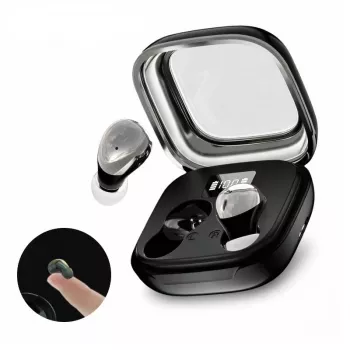
Invisible Sleep Earbuds for Side Sleepers: Why Low-Profile Comfort Matters
Falling asleep with audio can be genuinely calming—white noise for city sounds, a low-key podcast to quiet racing thoughts, or a familiar playlist that signals it’s time to wind down. The problem is that most everyday earbuds weren’t built for the moment your head turns sideways. A typical housing or stem can press into the outer ear, creating a pressure point that turns “relaxing” into “repositioning” all night long.
That’s where low-profile, “invisible” sleep earbuds come in. By sitting closer to the ear and reducing protrusion, they’re designed to minimize pillow push-back, maintain a steadier seal, and keep playback more consistent—without turning the volume up to compete with background noise.
Why side sleepers struggle with regular earbuds
Side sleeping is one of the quickest ways to expose comfort flaws in standard earbuds. What feels fine while sitting upright can feel completely different once your ear is pressed against a pillow.
- Pillow pressure pushes standard housings into the outer ear, often causing soreness or waking you up to adjust.
- Uneven seal can make audio shift from clear to thin, tempting higher volume that may be counterproductive for sleep.
- Movement shifts the fit when rolling over, which can pause playback, change volume, or make you re-seat the earbud.
- Hard edges and protruding stems can become friction points—especially with firmer pillows.
What makes “invisible” sleep earbuds feel different
“Invisible” is mostly about the profile: how far the earbud sticks out and how it behaves when your ear meets the pillow. The best-feeling designs tend to focus on reducing contact pressure and keeping the fit stable without needing a tight, forced seal.
- Low-profile housing that sits closer to the ear to reduce pillow pressure and digging.
- Soft ear tips that distribute contact and help maintain a stable seal with less irritation.
- Lightweight fit that reduces the “pull” sensation during position changes.
- Secure placement for lying down, not just commuting or desk work.
Product spotlight: Ultra-comfort Bluetooth sleep earbuds with ENC
If you’re looking for a budget-friendly way to try a lower-profile design, Invisible Sleep Earbuds for Side Sleepers – Ultra-Comfort Bluetooth with ENC are built around the core need: minimizing protrusion so your pillow doesn’t constantly fight your earbuds.
- Side-sleeper oriented fit with a compact, low-visibility shape intended to reduce pressure when your head rests sideways.
- Bluetooth playback for bedtime audio like white noise, ambient soundscapes, or quiet podcasts—without a cable snagging on sheets.
- ENC (Environmental Noise Cancellation) to improve voice pickup for daytime calls in noisier environments (helpful if you also use them outside bedtime).
- Practical for shared spaces like roommates, partners with different sleep schedules, or travel where quieter listening helps keep the peace.
- Value-focused option that aims to cover the essential comfort needs for lying on a pillow.
For a broader approach to daily energy (which can influence bedtime routines and wind-down consistency), you may also like The Midday Energy Crash Mystery – Post-Meal Fatigue Guide eBook, a digital download focused on digestion and energy balance strategies.
Comfort and fit checklist before the first night
A good first night usually comes down to two things: using the right tip size and keeping the insertion gentle. Sleep earbuds should feel secure, not “jammed in.”
- Try multiple ear tip sizes: a gentle seal often feels better than forcing a larger tip.
- Insert and twist lightly (not deep) to reduce pressure on the ear canal.
- Test on the pillow while awake: turn left/right to find the least pressure angle.
- Keep hair and hoodie strings away from the ear area to prevent tugging.
- If soreness occurs, reduce insertion depth and switch to a softer/smaller tip.
Quick side-sleeper comfort test
| Check | How to test in 30 seconds | Good sign | Fix if it fails |
|---|---|---|---|
| Pressure point | Lie on your side and hold still | No sharp hotspot after 30 seconds | Re-seat earbud; try smaller tip |
| Seal stability | Roll from one side to the other | Audio stays consistent | Try different tip size; clean ear tips |
| Pillow push-back | Press pillow lightly toward ear | Earbud doesn’t dig in | Adjust angle; consider softer pillow edge |
| Fatigue over time | Wear for 10 minutes while relaxing | No growing ache | Reduce insertion depth; switch tips |
Using Bluetooth audio for better wind-down
Bluetooth earbuds are convenient for bedtime—especially if you move around, change sides, or don’t want a cord near your neck. The key is choosing audio that supports sleep rather than grabbing your attention.
- Choose steady, low-dynamic audio (rain, fan noise, brown noise) to avoid sudden loud moments.
- Use a sleep timer so playback stops after you fall asleep, reducing battery drain and interruptions.
- Enable Do Not Disturb so message alerts and notification tones don’t cut through your audio.
- If sharing a room, lower volume and rely on a good seal rather than turning sound up.
Noise, volume, and nighttime ear health
Comfort isn’t only about shape—it’s also about how loud and how long you listen. Safer listening habits can make overnight use feel better and help reduce the temptation to “power through” discomfort.
For more on safe listening and hearing protection, review guidance from the World Health Organization and the CDC.
Care, charging habits, and longevity
FAQ
What are the most comfortable earbuds for side sleepers?
Low-profile earbuds that sit flush and use soft tips in the correct size tend to reduce pillow pressure. The most comfortable options usually combine minimal protrusion, a lightweight fit, and a stable seal that doesn’t require high volume.









Leave a comment