White Tiger Hybrid Planar IEMs: Fit, Sound & Setup
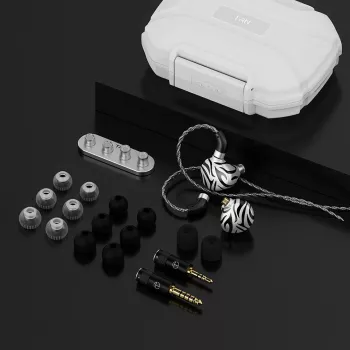
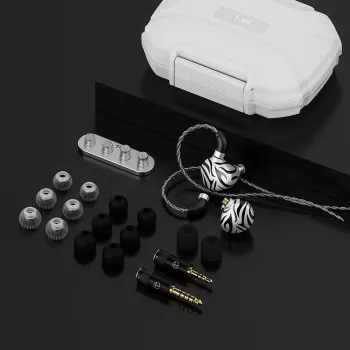
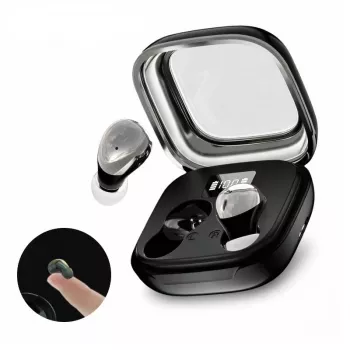
White Tiger In‑Ear Headphones with Hybrid Dual Driver & Planar Diaphragm
Hybrid driver earphones that combine a planar diaphragm with a second driver aim to deliver fast transients, clear layering, and punchy low end in a compact in‑ear form. This guide breaks down how the White Tiger in‑ear headphones are built, what the dual‑driver planar approach tends to sound like, and how to get the best fit, comfort, and performance for everyday listening.
What makes the White Tiger design stand out
The White Tiger model focuses on a hybrid dual‑driver layout that’s built to balance speed, detail, and impact without needing heavy EQ to feel lively. The planar diaphragm portion of the design is typically associated with quick attack/decay and cleaner separation when a track gets dense—think layered guitars, stacked vocals, or busy electronic percussion.
As an in‑ear, it also benefits from passive isolation. A good seal can reduce outside noise enough that music stays intelligible at lower, safer volume levels—an especially practical advantage for commuting or shared workspaces. For guidance on safer listening habits, the World Health Organization’s Make Listening Safe initiative is a solid reference.
Overall, this type of tuning and form factor tends to work well as an all‑rounder for commuting, desk listening, and casual portable use where comfort and clarity matter as much as raw bass output.
Hybrid dual driver + planar diaphragm: how it typically affects sound
Planar diaphragms are known for consistent motion across the diaphragm surface. When tuning is done well, that consistency can translate into clean mids and controlled treble with fewer “splashy” artifacts. A second driver in a hybrid system is often used to reinforce specific frequency bands—commonly to add bass body, dynamic punch, or an extra sense of top‑end air, depending on the target sound signature.
Common strengths with a hybrid planar in‑ear include imaging, layering, and a “snappy” feel on percussion and plucked strings. Potential tradeoffs to watch for include how seamlessly the drivers blend (crossover coherence) and fit sensitivity: seal quality changes bass pressure, and insertion depth can shift perceived brightness. For a general primer on planar driver basics, see Planar magnetic drivers.
| Listening trait | Planar-focused tuning | Hybrid planar approach |
|---|---|---|
| Transient speed | Very fast, crisp edges | Fast with added weight where the second driver supports it |
| Bass character | Tight, textured; may feel lean if seal is imperfect | More slam/pressure potential depending on tuning and fit |
| Detail and layering | High micro-detail; clean separation | High detail with potentially fuller presentation |
| Fit sensitivity | Seal-dependent bass response | Still seal-dependent; blending may vary with insertion depth |
Comfort, fit, and isolation: getting the seal right
For in‑ear headphones, seal is performance. Start with ear tips that match your ear canal size; a stable seal is the biggest factor for bass depth and balanced tonality. If the bass sounds weak or vocals feel thin, try a larger tip size or a different material before touching EQ. Silicone tips often feel airy and easy to clean, while foam tips can improve isolation and bass stability for some ear shapes.
Insertion depth also matters. Deeper insertion often increases isolation and stabilizes bass response, while a shallower fit can sound brighter (and sometimes more spacious) but may lose low‑end pressure. For long sessions, aim for low pressure with a secure cable route; that reduces discomfort and helps minimize microphonics (cable noise) when walking.
Best listening pairings and use cases
Commute and travel
Passive isolation helps maintain clarity in noisy environments, which can reduce the temptation to crank volume. If you want additional context on protecting hearing over time, the NIDCD overview of noise-induced hearing loss is worth a quick read.
Work and study
Hybrid planar tuning often highlights vocal articulation and instrument separation, which can make background listening feel less “foggy.” This can be helpful for playlists with lots of midrange detail (acoustic, indie, jazz, podcasts) where intelligibility matters.
Gaming and video
Genres that tend to shine
Source matching and quick setup
Everyday care, durability habits, and hygiene
At-a-glance product details
| Item | Details |
|---|---|
| Product | White Tiger In‑Ear Headphones with Hybrid Dual Driver & Planar Diaphragm |
| Price | 79.97 USD |
| Availability | In stock |
| Best for | Portable listening, detail-focused music sessions, commuting isolation |
| Key design element | Hybrid dual driver with planar diaphragm |
In-stock picks
- White Tiger In‑Ear Headphones with Hybrid Dual Driver & Planar Diaphragm — a budget-friendly entry into hybrid planar sound with a focus on speed, separation, and everyday portability.
- The Midday Energy Crash Mystery – Post-Meal Fatigue Guide, Digestion & Energy Balance eBook — a quick-read digital guide for dialing in energy during long work or study sessions.
- Stress-Free Pet Adventures – A Complete Pet Travel Guide for Calm, Happy Trips — a travel companion resource if your listening time often happens on the road with pets.
FAQ
What is the benefit of a planar diaphragm in in‑ear headphones?
A planar diaphragm can move more uniformly across its surface, which often helps with fast transients, clean separation, and stable detail in complex mixes. The final sound still depends heavily on tuning and on getting a reliable seal with the right ear tips.
Do hybrid dual‑driver in‑ears need extra power to sound good?
Many hybrid dual‑driver in‑ears can play well from a phone, but a small dongle DAC/amp can improve headroom and control at higher listening levels. If you constantly need very high volume, it’s often a seal issue or a noisy environment rather than a power problem.
Why do my in‑ear headphones lose bass sometimes?
Bass loss is usually caused by a broken seal from tip size, tip material, or insertion depth changes, especially if one side fits differently than the other. It can also happen when the nozzle mesh gets clogged with debris, reducing airflow and output.







Leave a comment