Beat the Afternoon Slump: Why Lunch Makes You Sleepy
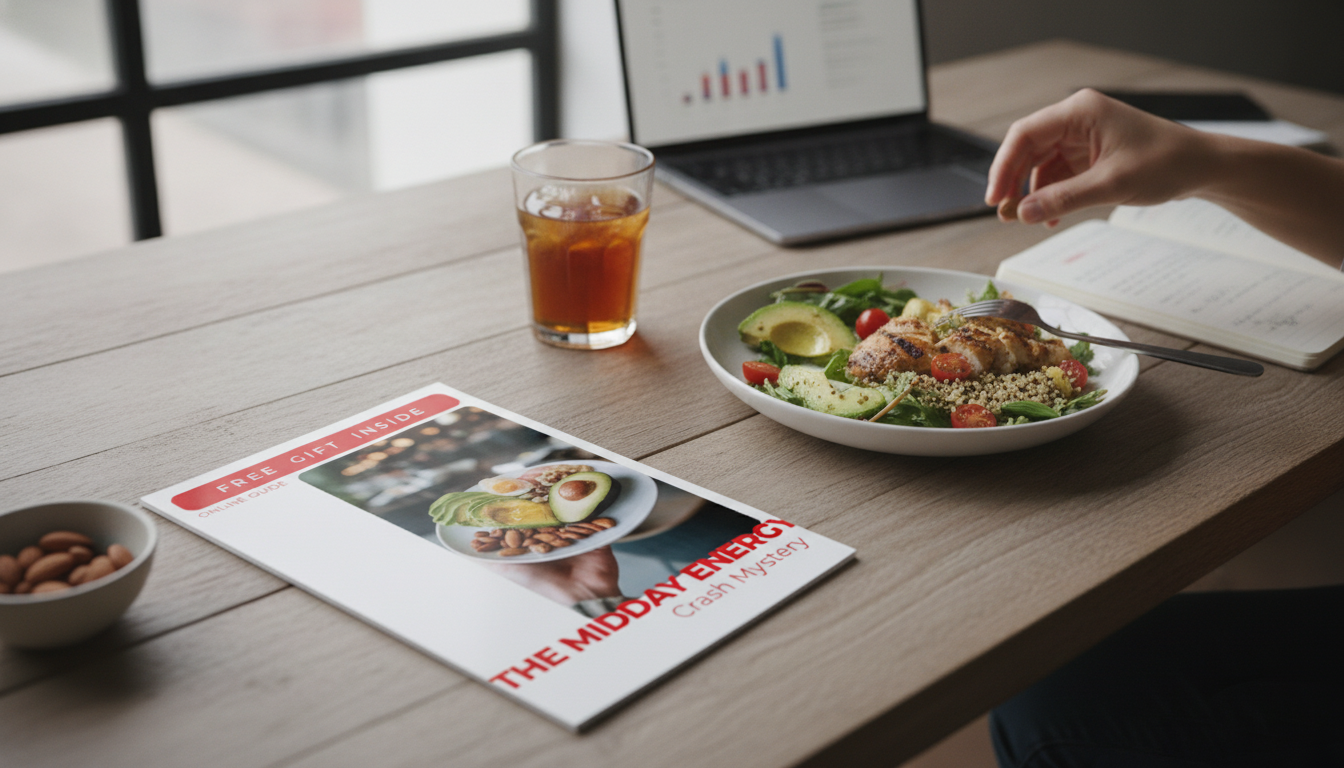
That Midday Energy Crash Mystery: Why You Get Sleepy After Lunch (and What to Do About It)
That familiar post-lunch slump isn’t just “lack of willpower.” It’s often a predictable mix of meal composition, blood-sugar dynamics, digestion workload, hydration, sleep debt, and stress signaling. With a few practical, low-effort adjustments, steadier afternoon energy is usually achievable—without automatically reaching for more caffeine.
What a Midday Energy Crash Can Look Like
- Sleepiness or heavy eyelids within 30–90 minutes after eating
- Brain fog, slower thinking, or trouble focusing on tasks
- Cravings for sweets or more caffeine shortly after lunch
- Mood dip, irritability, or feeling “checked out”
- A second wind later in the afternoon followed by evening restlessness
The Main Causes: Blood Sugar, Digestion, and Nervous System Shifts
1) Blood sugar swings
A lunch built around refined carbs (white bread, chips, pastries, sugary drinks) can raise blood glucose quickly and then drop it just as fast, leaving you tired and craving more. Learning the basics of glycemic index/load can help explain why some meals “hit” differently than others; Harvard Health has a clear overview of glycemic index and glycemic load.
2) Digestion workload and meal size
Large meals increase blood flow to the digestive tract and can feel naturally sedating. Very high-fat or highly processed meals may sit heavier and slow gastric emptying, which can amplify the “I need a nap” feeling—especially if lunch is eaten quickly or under stress.
3) Nervous system rebound
A busy morning can keep the body in a “go mode” (sympathetic drive). After eating, some people experience a stronger shift toward “rest-and-digest,” which feels like a wall of drowsiness. Alcohol at lunch and sugary beverages can make this shift more dramatic.
4) Sleep debt and circadian timing
There’s a natural circadian dip in alertness in the early afternoon for many people. When sleep is inconsistent or insufficient, that dip can feel intense. If sleep might be part of the pattern, the CDC’s guidance on healthy sleep basics is a practical reference point.
Quick Self-Check: Spot Your Most Likely Trigger
- If the crash hits fast (within 30–60 minutes): consider meal size, sugary beverages, refined starches, and low protein.
- If the crash is heavy and long (2+ hours): consider very large portions, high-fat meals, dehydration, or poor sleep.
- If the crash comes with jitters/anxiety: consider caffeine timing, under-eating at lunch, or high stress.
- If the crash happens even with “healthy” meals: consider total calories, inadequate carbs for activity level, iron status, or timing mismatches.
| Pattern after lunch | Likely contributor | First adjustment to try |
|---|---|---|
| Sleepy + cravings for sweets | High glycemic load; low protein/fiber | Add 25–35 g protein and a high-fiber side (beans, veg, berries) |
| Heavy, sluggish, need a nap | Meal too large; very high fat; low movement | Reduce portion 10–20% and take a 10-minute walk |
| Brain fog without hunger | Dehydration; low electrolytes | Drink water; add a pinch of salt or electrolyte tab if appropriate |
| Jitters + crash later | Caffeine timing/amount; low lunch calories | Move caffeine earlier; eat a balanced lunch with carbs + protein |
| Crash most days regardless of lunch | Sleep debt; circadian dip; stress load | Aim for consistent sleep window; brief daylight + movement break |
Build a Lunch That Holds Energy Steady
Start with a “protein anchor”
Many midday crashes improve when lunch includes a real protein serving rather than a token amount. Practical options include eggs, Greek yogurt, tofu, fish, chicken, or beans paired with grains.
Add fiber for a slower burn
Vegetables, legumes, whole grains, and whole fruit tend to flatten the glucose curve compared with juices, refined flour sides, or sweet snacks. For a deeper dive on glycemic index, the American Diabetes Association explains how it’s used in everyday eating: Glycemic Index and Diabetes.
Use “smart carbs” and moderate fats
Choose slower-digesting carbs (oats, quinoa, brown rice, sweet potato) and scale back refined sides. Add fats (olive oil, avocado, nuts) for satiety, but avoid turning lunch into a very high-fat “brick” that leaves you foggy.
Right-size the portion
A slightly smaller lunch plus a planned afternoon snack often beats one oversized meal. A good sign you’ve found the sweet spot: you finish lunch satisfied, not stuffed, and you can work without needing a rescue coffee.
Timing Tweaks That Often Beat the Slump
Digestion-Friendly Habits That Support Energy
When Post-Meal Fatigue Might Signal Something Else
A Practical Shortcut: Use a Structured Plan
- The Midday Energy Crash Mystery – Post-Meal Fatigue Guide (digital download) includes meal-building templates, quick checklists, and simple one-week experiments.
- How to Cultivate Patience With Yourself: A Practical Guide to Self-Compassion and Growth can support steadier routines when stress and self-criticism keep driving inconsistent sleep, rushed meals, and caffeine spirals.
FAQ
Why do I feel sleepy right after I eat lunch?
Common causes include a large or refined-carb-heavy meal that triggers a quick rise and fall in blood sugar, increased digestion workload, mild dehydration, and a normal early-afternoon circadian dip. Start by adding protein and fiber to lunch and taking a short 10-minute walk afterward.
What should I eat for lunch to avoid an afternoon crash?
Aim for a balanced plate: a solid protein serving, high-fiber carbs (beans, whole grains, fruit), plenty of vegetables, and moderate healthy fats. Examples include a chicken-and-quinoa salad with olive oil, or a burrito bowl with beans, brown rice, salsa, and avocado.
Is it normal to need caffeine after lunch every day?
It can be common, but daily reliance often points to sleep debt, caffeine tolerance, or a lunch that’s too large or too refined. Try moving caffeine earlier, using a smaller dose, and pairing lunch with a brief walk; if crashes are severe or come with concerning symptoms, check in with a clinician.












Leave a comment