Wearable Infrared Knee Massager: Heat + Red Light Relief
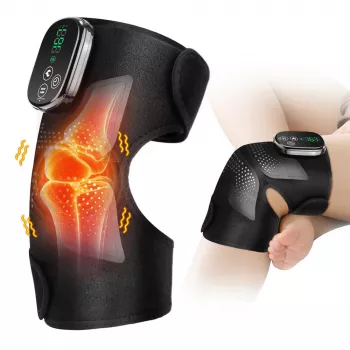
Electric Infrared Heating Knee Massager with Red Light Therapy
Knee discomfort can come from overuse, stiffness after activity, or long periods of sitting. A wearable knee massager that combines heat, infrared, and red light therapy is designed to support relaxation and short sessions of targeted comfort at home—without complicated setup or bulky equipment. For more guidance, see Effects of combination therapy and infrared radiation on pain ….
What This Knee Massager Is Designed to Do
A modern, wearable knee massager focuses on localized comfort—right where the joint tends to feel tight or fatigued—while keeping your hands free for reading, working at a desk, or winding down in the evening. For further reading, see What You Should Know About Red Light Therapy.
- Combines gentle compression/massage with warming support to help ease tight, tired knees after daily activity.
- Uses infrared-style heating to provide a deeper-feeling warmth than basic surface heat (experience varies by person).
- Adds red light therapy as an extra wellness modality often used for recovery-focused routines.
- Wearable format aims to keep treatment localized to the knee area while leaving hands free.
If you’re looking for an easy at-home option, consider the Electric Infrared Heating Knee Massager with Red Light Therapy, designed for short, repeatable sessions that fit into everyday routines.
How Heat, Infrared, and Red Light Therapy Work Together
These three modes are often used for different sensations and goals—yet they can complement each other when used conservatively and consistently.
- Heat therapy: commonly used to relax muscles around a joint, reduce the sensation of stiffness, and improve comfort during gentle movement. For general guidance on heat use, see the Arthritis Foundation’s overview of heat therapy.
- Infrared heating: intended to deliver warming energy that may feel more penetrating than standard heating pads, potentially supporting a soothing effect in the surrounding tissues.
- Red light therapy (photobiomodulation): uses specific wavelengths of visible red light often associated with recovery and wellness routines. Output, distance from the skin, and session consistency all influence what people notice. For a clinical overview, review the Cleveland Clinic’s red light therapy guide.
- Best results typically come from supportive habits: light stretching, hydration, and activity pacing—especially if your knee gets cranky after long walks, stairs, or sitting.
Heat vs. Infrared Heat vs. Red Light (Practical Differences)
| Feature | What it feels like | Common use in routines | Notes |
|---|---|---|---|
| Standard heat | Surface warmth | Relaxation and stiffness relief | Often used 10–20 minutes per session |
| Infrared-style heating | Deeper-feeling warmth | Targeted warming around joints | Sensation varies; avoid overheating |
| Red light therapy | Little to no heat felt | Recovery/wellness support | Consistency matters; keep expectations realistic |
Who It’s Best For (and When to Skip It)
Wearable heat and light tools are typically used for comfort, not diagnosis. They can be a convenient add-on when your knee feels stiff or tired—especially after repetitive daily activity.
- Often a good fit for: post-workout knee tightness, stiffness after sitting, people who prefer warmth over topical products, and those building a nightly wind-down routine.
- May be helpful for: older adults seeking gentle comfort support (with appropriate safety precautions), desk workers, walkers/hikers, and anyone doing low-impact mobility work.
- Skip use and consult a clinician first if: there is acute injury with significant swelling, suspected fracture, unexplained severe pain, fever, open wounds/skin infection, or a history of blood clots.
- Use extra caution with: neuropathy/reduced sensation, diabetes-related circulation issues, implanted electronic devices, pregnancy, or any condition where heat/light therapy is restricted.
If knee pain is persistent, worsening, or affecting daily function, the safest next step is a professional evaluation. For general background on causes and red flags, reference NIH MedlinePlus on knee pain.
Key Features to Look For in a Wearable Knee Massager
Small design choices can make the difference between a device you use once and one you actually reach for after a long day.
How to Use It for Comfortable, Consistent Sessions
Example Weekly Routine (Adjust to Comfort)
| Day | Session length | Heat level | Add-on habit |
|---|---|---|---|
| Mon | 10–15 min | Low | Light stretching |
| Wed | 15–20 min | Low–Medium | Short walk |
| Fri | 15–20 min | Medium (if tolerated) | Mobility drills |
| Sun | 10–15 min | Low | Relaxation breathing |
Care, Cleaning, and Storage
A Practical Option to Try
The Electric Infrared Heating Knee Massager with Red Light Therapy is a wearable, at-home support tool built for warmth, comfort, and relaxation-focused sessions. It works best as part of a broader knee-care routine that includes strength work, mobility, and planned recovery days.
For people building an overall “feel better” routine beyond joint comfort—especially if fatigue affects workouts and daily movement—pairing better recovery habits with nutrition timing can help. A helpful resource is The Midday Energy Crash Mystery – Post-Meal Fatigue Guide, Digestion & Energy Balance eBook.
FAQ
Do infrared knee massagers really work?
Many people find heat and gentle massage helpful for temporary comfort and stiffness, but results vary based on the cause of discomfort and how consistently the device is used. Infrared and red light benefits depend on the device’s output and your routine, so it’s best to keep expectations realistic and seek medical guidance for ongoing or worsening pain.
How long should a heat and red light session be for the knee?
A common range is about 10–20 minutes per session, starting shorter and on lower heat to assess skin sensitivity. Using a timer or auto-off feature helps keep sessions consistent and reduces the risk of overheating.
Is it safe to use a heated knee massager every day?
Daily use may be reasonable if it’s comfortable, used as directed, and you’re checking your skin afterward for irritation. Use extra caution if you have reduced sensation or circulation issues, and avoid using heat on an acutely swollen or injured knee without clinician guidance.











Leave a comment