Luxury Wall-Mounted Shower System: Hot/Cold Spa Upgrade
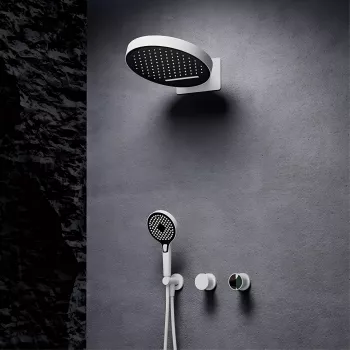
Luxurious Wall-Mounted Shower System with Hot & Cold Water: A Spa-Level Upgrade for Modern Bathrooms
A wall-mounted shower system can turn a daily rinse into a calmer, more precise routine—especially when the controls deliver consistent hot-and-cold mixing, steady pressure, and a refined look that matches contemporary interiors. The right setup feels “built-in” rather than bolted on, with hardware that looks intentional and operates smoothly. Below is what to expect from a premium wall-mounted configuration, what to confirm before ordering, and how to plan installation for dependable performance.
What Makes a Wall-Mounted Shower System Feel Luxurious
Luxury is usually a combination of visual simplicity and better day-to-day control. With wall-mounted systems, the upgrade is easy to feel the moment you reach for the handle.
- Clean, architectural presentation: exposed or semi-exposed elements can look deliberate—less clutter, more “designed.”
- Comfort-first water delivery: stable temperature mixing and a satisfying flow are the difference between “nice” and “spa-like.”
- User-friendly controls: intuitive handles/knobs make quick temperature and flow adjustments easier with wet hands.
- Durable finish and solid build: premium systems typically feel heavier, tighter, and smoother in operation.
- Everyday convenience: controls can be easier to access, and the shower area can feel more open than bulky assemblies.
Quick Specs Snapshot
Use this at-a-glance checklist while comparing with existing plumbing, valve type, and shower layout. Also confirm what’s included in the box (trim, valve, head/handset, hose) before scheduling installation.
| Item to Confirm | Why It Matters | What to Look For |
|---|---|---|
| Hot/cold mixing control | Helps maintain comfort and reduces sudden temperature swings | Smooth handle action; compatible with local plumbing setup |
| Mounting and rough-in requirements | Determines whether it fits existing holes/pipe locations | Clear wall-mounted installation notes; measurements provided |
| Finish and corrosion resistance | Affects long-term appearance in humid bathrooms | High-quality coating; easy-to-clean surface |
| Flow and pressure compatibility | Ensures satisfying rinse without stressing the system | Works with household pressure; complies with local flow limits |
| Serviceability | Simplifies maintenance and part replacement later | Accessible cartridge/valve; standard connectors where possible |
Where This Style Fits Best
- Primary-bath upgrades: ideal when the shower is a focal point and daily comfort matters most.
- Guest bathrooms: creates an upscale impression with a simpler wall-mounted footprint.
- Renovations with tile refresh: pairs well with crisp grout lines, minimalist niches, and modern lighting.
- Hotel-inspired homes: adds strong visual impact without piling on décor.
Installation Planning: What to Check Before Buying
Wall-mounted systems look streamlined on the surface, but behind the wall is where the success (or frustration) tends to happen. A few checks up front can prevent rework later.
- Valve and plumbing compatibility: confirm whether the existing valve can be reused or if a new rough-in is required.
- Wall depth and backing: hardware should be anchored to solid support behind tile or wall panels for a firm, rattle-free feel.
- Pipe condition and shutoff access: older supply lines may need updates to avoid leaks, sediment issues, or inconsistent pressure.
- Height and reach: position the shower head for comfortable coverage and place controls where they’re reachable without standing under the spray.
- Local code and flow limits: many regions require specific maximum flow rates and anti-scald protection; a quick review of local requirements can save headaches later (see the International Plumbing Code overview).
Daily Experience: Temperature Control, Comfort, and Noise
- Stable mixing: a well-made hot/cold control should deliver predictable adjustments rather than abrupt jumps.
- Pressure feel: luxury often comes from consistent, full coverage—especially during temperature changes.
- Quieter operation: better internal components can reduce rattling or whistling caused by turbulence in the valve body.
- Easy cleaning: smooth surfaces and fewer crevices help slow soap-scum buildup and make wipe-downs faster.
- Water efficiency: comfort doesn’t have to mean waste; many households choose models aligned with EPA WaterSense showerhead guidance to balance performance and conservation.
For households that rarely use showers for a few days (guest baths, vacation homes), it’s also smart to maintain water systems thoughtfully; basic awareness of water management helps reduce risks associated with stagnant water (see the CDC overview on Legionella and water systems).
Care and Maintenance for a Like-New Finish
Product Spotlight
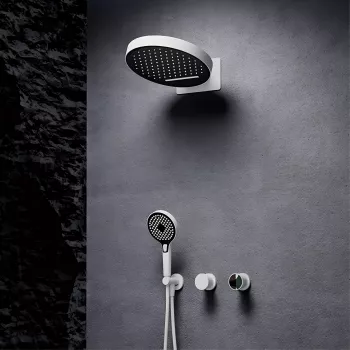
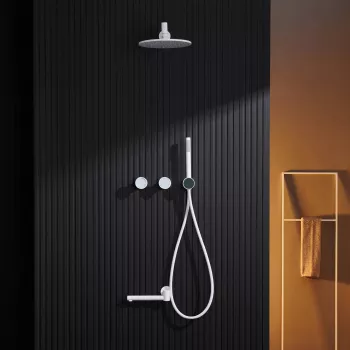
A premium wall-mounted system can become the centerpiece of a modern shower when paired with clean tile lines and warm lighting. If you’re looking for an upscale wall-mounted option that brings hot and cold control together in a coordinated set, consider the Luxurious Wall-Mounted Shower System with Hot & Cold Water.
If you’re also updating daily routines beyond the bathroom, these in-stock digital guides may be useful additions to your library: The Midday Energy Crash Mystery – Post-Meal Fatigue Guide, Digestion & Energy Balance eBook and Confidently Styled: Dressing the Inverted Triangle – The Ultimate eBook Guide.
FAQ
Does a wall-mounted shower system work with both hot and cold water lines?
Yes—most wall-mounted shower systems are designed to connect to both hot and cold supply lines through a mixing valve. Compatibility depends on your existing valve/rough-in configuration and whether the system requires a specific valve type.
Can a wall-mounted shower system be installed in an existing shower without re-tiling?
Sometimes. If the existing valve location and plumbing align with the new system’s rough-in requirements, it may be possible with minimal wall access; if not, opening the wall (and possibly partial tile repair) is commonly needed to reposition or replace the valve.
How can temperature be kept steady when someone uses water elsewhere in the home?
Look for a pressure-balancing or thermostatic valve designed to reduce sudden temperature swings, and confirm your home’s water pressure is stable. Older or undersized supply lines can also contribute to fluctuations, so plumbing condition matters.









Leave a comment