Used Sports Gear Safety Checklist: Inspect, Avoid, Prevent
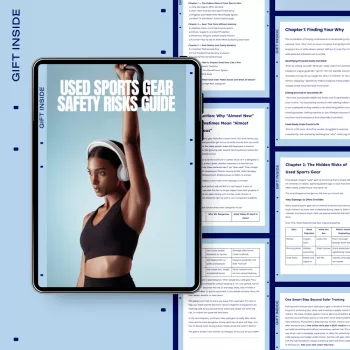
Used Sports Gear Safety: What to Inspect, What to Avoid, and How to Prevent Injuries
Buying pre-owned sports equipment can save money and keep quality gear in circulation, but it also adds uncertainty: unknown impacts, hidden wear, missing parts, and sanitation issues. A careful inspection process helps spot red flags before they become injuries. The goal is simple—know which items are generally safe to buy used, which items should usually be bought new, and how to evaluate condition, fit, and protective performance before anyone steps onto the field, court, road, or trail.
Why used gear can be risky even when it looks fine
Protective equipment can fail in ways that aren’t obvious at a glance. Foam can lose rebound, plastics can become brittle, and straps can stretch—often long before you see dramatic cracking or tears.
- Invisible degradation: UV exposure, heat, sweat, and time can reduce shock absorption even if the shell still looks “clean.”
- Unknown history: One hard crash or months stored in a hot trunk or damp basement can change how gear performs without leaving clear cosmetic damage.
- Fit equals safety: Stretched straps, compressed padding, and warped shells let protection shift away from the areas it’s supposed to cover.
- Missing/substituted parts: Buckles, face masks, screws, liners, and pads are part of the product’s tested configuration; substitutions can change performance.
- Hygiene matters: Helmets, pads, gloves, and shared-contact items can carry bacteria or fungus; cleaning helps, but it can’t restore degraded protection.
Gear that’s usually safer to buy used vs. gear that’s usually better new
Secondhand shopping is easiest when you separate “performance gear” from “protective or life-safety gear.” The more an item’s job is to prevent a catastrophic injury, the less tolerance there is for unknown history.
- Often safer used (with inspection): bats (no dents/cracks), golf clubs, tennis racquets, many fitness machines with intact frames and locks, skis/poles (with special care around bindings).
- Use extra caution: skates, cleats, and boots—fit and structural support are critical, and wear can change mechanics and injury risk.
- Usually better new: helmets (bike/ski/contact), mouthguards, and other foam-based impact gear where crash history is unknown.
- Usually better new: climbing ropes, harnesses, and carabiners unless history is fully documented and inspection knowledge is strong.
- Contact pads: football/hockey/lacrosse pads can be risky if padding is compressed, stiff, or cracked; strict inspection and cleaning are non-negotiable.
For deeper, sport-by-sport pass/fail cues and printable checklists, see Used Sports Gear Safety Risks Guide | Smart Buyer’s eBook on Used Sport Gear Safety Risks, Inspection Checklists & Injury Prevention.
Fast screening before meeting the seller
Save time by filtering out risky listings before you ever drive across town.
Hands-on inspection checklists (bring a flashlight and 10 minutes)
Used sports gear inspection checklist (quick pass/fail)
| Item type | What to check | Red flags to walk away | Safer alternative |
|---|---|---|---|
| Helmet (bike/ski/contact) | Shell integrity, liner condition, straps/buckles, manufacture date, proper fit | Any known impact/crash, cracks, soft spots, missing pads/parts, warped shell, expired age guidance | Buy new or use a verified reconditioning program where applicable |
| Shoulder/elbow/knee pads | Foam resilience, stitching, strap elasticity, cap integrity, coverage fit | Compressed or hard foam, torn seams, cracked caps, straps that won’t hold | Replace parts only if manufacturer-approved; otherwise buy new |
| Skates/cleats/boots | Fit, sole separation, ankle support, rivets, laces/eyelets, outsole wear | Heel slip, collapsed support, separated sole, uneven wear that changes mechanics | Buy new if fit/support is questionable; consider professional fitting |
| Rackets/bats/sticks | Cracks, dents, grip integrity, straightness, end caps | Hairline cracks, rattling, delamination, sharp splinters | Choose another used item; these are often safe when intact |
| Bike (frame/components) | Frame cracks, brakes, headset play, tire condition, chain wear | Frame dents at welds, brake fade, loose bearings, corroded cables | Get a shop safety check; replace wear parts before riding hard |
Injury prevention: fit, maintenance, and safer return-to-play habits
For athletes balancing training load and recovery, consistent energy can reduce “sloppy reps” that lead to preventable falls and collisions. If post-meal fatigue is a problem on practice days, The Midday Energy Crash Mystery – Post-Meal Fatigue Guide, Digestion & Energy Balance eBook, Smart Eating Digital Download is a practical reference.
When to stop using a piece of gear
For additional guidance on head injury risk reduction and equipment standards, consult CDC HEADS UP, review certification information through NOCSAE, and explore sports equipment test methods at ASTM International.
A practical reference for smart secondhand buys
If you want a structured checklist you can reuse for family members and coaches, Used Sports Gear Safety Risks Guide | Smart Buyer’s eBook on Used Sport Gear Safety Risks, Inspection Checklists & Injury Prevention consolidates inspection steps, hidden-damage cues, sanitation practices, and clear “don’t buy used” categories.
FAQ
Is it safe to buy a used helmet?
Usually no unless the full impact history is known, the helmet is within the manufacturer’s service-life guidance, fits correctly, and has no damage or missing parts. If there’s any doubt about a crash or prior impact, choose a new helmet.
What are the biggest red flags when inspecting used sports gear?
Cracks, warping, compressed or crumbling foam, straps or buckles that slip, missing hardware, non-approved replacement parts, strong odors or mold signs, and any admission of a crash for protective gear are all reasons to walk away.
How should used pads and gear be cleaned without ruining them?
Use mild soap and water, wipe and air-dry completely, and avoid bleach, solvents, and high heat. Replace removable liners or straps only with manufacturer-approved parts when possible.








Leave a comment